Column · @arthurarlh289
Basement Waterproofing for Stone Foundations: What Works Best?
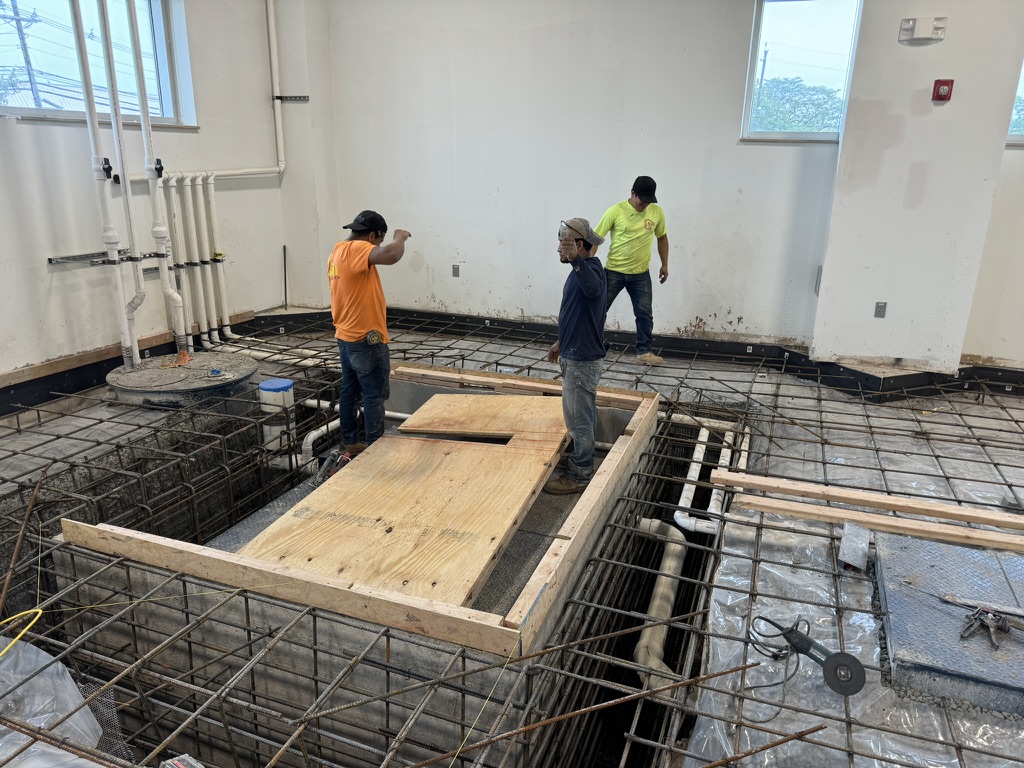
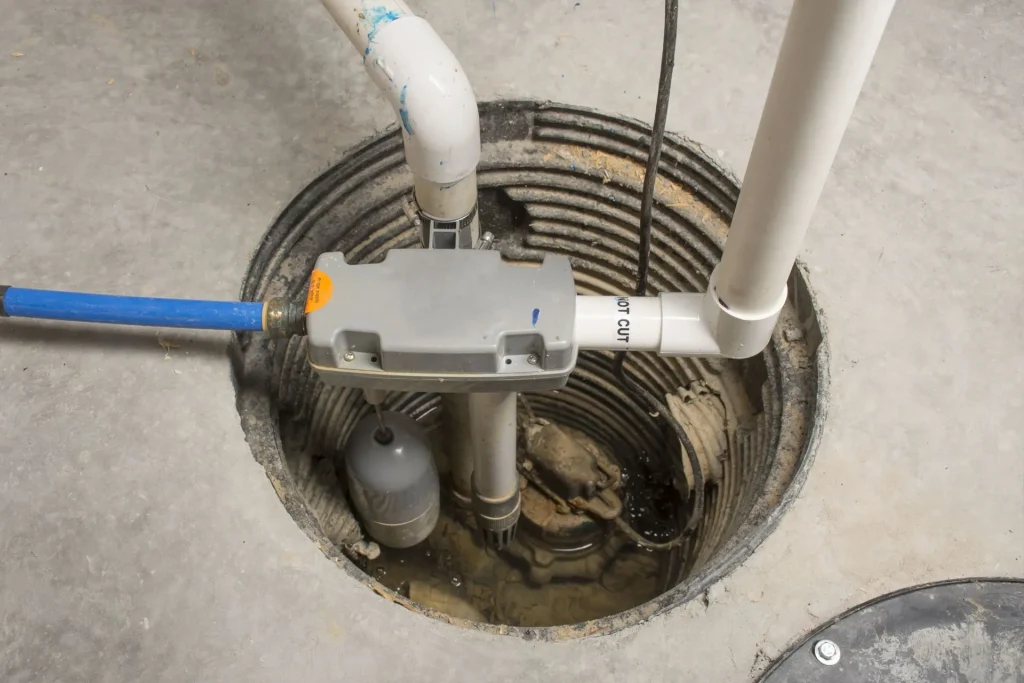
Stone foundations have a character that poured concrete can never match. They belong to older homes with thick walls, hand-laid masonry, and a kind of stubborn durability that has already outlasted generations of repairs. They are also notorious for moisture problems, and the usual waterproofing advice given for modern basements often misses the mark.
That matters because a stone foundation does not behave like a monolithic concrete wall. It moves differently, absorbs moisture differently, and dries differently. Many failed waterproofing jobs come from treating stone as if it were concrete, then wondering why the new coating peels, why the wall still leaks at the joints, or why the basement smells musty again after one wet season.
If you are planning Basement Waterproofing for a stone foundation, the best results usually come from a system, not a single product. Water has to be controlled outside first, managed around the footing, and only then addressed inside. The right strategy depends on whether the goal is a dry storage basement, a cleaner utility space, or a full finished lower level. Those are not the same project, and they should not be priced or scoped the same way.
Why stone foundations leak differently
Most stone foundations are built from fieldstone, rubble stone, or cut stone held together with mortar. Some are beautifully tight. Others look like they were assembled by instinct and experience rather than geometry, which, in fairness, they often were. The wall may be 18 to 24 inches thick, but it is still full of irregular joints, micro-voids, and porous mortar beds.
Water enters in several ways. Sometimes it comes through the wall face after heavy rain. Sometimes it rises from the footing area or the floor slab. Sometimes it shows up where the wall and floor meet, even though the wall itself looks dry. In many old homes, there is no modern footing drain at all. In others, the original drain has long since silted shut.
Stone walls also tend to wick moisture. Even if you do not see active dripping, the wall may be pulling groundwater inward and releasing it as humidity. That is why some basements feel damp year-round, even during dry weather. The problem is not always a dramatic leak. Often it is chronic moisture, and chronic moisture is what damages framing, feeds mold, rusts appliances, and ruins any attempt to finish the space.
The wall itself is only part of the picture. Grading, gutters, downspouts, window wells, porches, walkways, patios, and adjacent driveways all influence how much water reaches the foundation. I have seen basements with multiple interior patches fail year after year because one downspout was dumping six feet from the wall and sending hundreds of gallons into the same corner every storm.
The first rule: keep water away before you try to block it
The best basement waterproofing for a stone foundation starts outside. That is not always the answer homeowners want, because exterior work can be disruptive and expensive. But water pressure against the wall is what causes most serious leaks. Lower that pressure and everything else works better.
A basement can sometimes be made acceptably dry with modest measures above grade alone. Regrading the soil so it slopes away from the house, extending downspouts 10 to 15 feet from the foundation, and fixing broken gutters can reduce water entry dramatically. On older homes, these basic corrections are often overlooked because people assume the masonry itself is the whole problem.
A practical first pass usually includes the following:
- Make sure roof water is captured and discharged well away from the house.
- Confirm that soil, mulch, and paving slope away from the foundation instead of toward it.
- Remove dense plantings or hardscape details that trap water against the wall.
- Repair obvious cracks, separated steps, or settled walks that direct runoff inward.
- Check whether sump discharge is recycling back toward the basement.
These are not glamorous fixes, but they are often the highest return per dollar spent. On one nineteenth-century stone house, the owners were preparing for a full excavation because the rear wall leaked so badly every spring. The real culprit was a clogged underground downspout line. Once the line was abandoned and the downspouts were rerouted to daylight well away from the house, the basement went from active seepage to occasional damp spots.
That said, surface water control alone will not solve every problem. If hydrostatic pressure is building around the foundation, more substantial drainage work is often needed.
Exterior waterproofing usually works best, if you can do it properly
For a stone foundation with recurring leakage, full exterior waterproofing is usually the most effective long-term approach. It addresses the water before it enters the wall, which is almost always preferable to catching it after the fact.
Done properly, exterior work involves excavation down to the footing, cleaning the outside face of the wall, repointing deteriorated joints where needed, applying a waterproofing membrane suited to masonry, installing a drainage board in many cases, and setting a footing drain in washed stone wrapped with filter fabric or using an engineered equivalent. The drain then leads to daylight or a sump, depending on the site.
The reason this works so well is simple. It reduces direct water contact with the wall and gives groundwater an easier path than forcing itself through the masonry. On stone foundations, that pressure relief is as important as the membrane itself.
But exterior waterproofing has trade-offs. Excavation is difficult when access is tight, when porches or decks are in the way, or when neighboring properties sit close to the wall. It can endanger fragile masonry if the contractor is careless. Old stone walls should not be power washed aggressively or scraped so hard that sound mortar is torn out. Excavation beside a very old foundation also requires judgment. On some homes, sections should be addressed in stages rather than exposing the entire perimeter at once.
There is also the question of what product belongs on the wall. This is where experience matters. Stone foundations should generally receive flexible, vapor-tolerant systems that can handle irregular substrates. A brittle coating that might be acceptable on smooth concrete often fails on rough stone. The membrane has to bridge uneven surfaces and accommodate minor movement. It also has to be compatible with any mortar repair work.
Cement parging may be part of the assembly, but parging alone is not waterproofing. It can help create a more uniform face for a membrane, though it should not be mistaken for the membrane. That confusion is common, and it leads to expensive disappointment.
Interior systems can be the right answer, but they are a different kind of solution
Not every house can be excavated. Urban lots, attached structures, mature landscaping, and budget limits often push the project indoors. Interior basement waterproofing systems can work very well for stone foundations, as long as the homeowner understands what they do and do not do.
An interior drainage system usually manages water after it comes through the wall or up from below. The common setup involves a perimeter drain channel installed along the inside edge of the basement floor, draining to a sump pump. In some designs, a dimpled wall membrane directs seepage downward into the drain. The water is not stopped at the exterior face. It is collected and removed before it spreads across the basement.
For many old homes, this is the most practical path to a dry usable basement. It is less disruptive than excavation and can be installed year-round. It also relieves hydrostatic pressure beneath the slab more effectively than a simple interior coating ever could.
The limitation is that the wall remains damp on the exterior side and sometimes within its thickness. If the basement is going to stay unfinished or be finished in a way that allows the wall to breathe and be isolated from interior framing, that may be acceptable. If the plan is high-end living space with insulation, drywall, and trim tight against the masonry, then the details become more demanding.
I have seen interior systems perform very well in old stone basements used for mechanicals, laundry, workshop space, and controlled storage. I have also seen owners assume an interior drain made the wall “waterproof,” then install organic materials directly against still-damp masonry. A year later, they had hidden mold and rotted furring strips.
Interior systems solve water management. They do not magically turn an old stone wall into a dry, modern framed assembly.
Why simple sealers and paints rarely solve the problem
Most homeowners have been tempted by masonry waterproofing paint at some point. The label promises a dry basement, the rollers seem manageable, and the price looks far better than excavation or a drain system. On stone foundations, these products are usually a short-term cosmetic measure at best.
The problem is pressure. If water is moving through the wall from the outside, a coating on the inside has to resist that force while bonded to an uneven, mineral-rich surface that may already be damp. Stone and mortar joints create countless weak points. Once the coating blisters or debonds in one area, water finds the path and keeps going.
Another issue is trapped moisture. Old masonry needs to dry. A dense interior coating can interfere with that drying, especially if the wall already has salts, spalling mortar, or freeze-thaw damage. In some cases, an impermeable finish makes the wall age faster, not slower.
That does not mean every surface treatment is useless. Breathable lime-based finishes and selective repointing can improve appearance and reduce dusting. But they are not substitutes for drainage or true waterproofing. The distinction is important.
Mortar matters more than many waterproofing bids admit
A stone foundation is only as sound as its mortar. When joints are soft, powdery, deeply eroded, or missing altogether, no waterproofing system will perform as intended until that condition is addressed.
Repointing old stone walls requires compatible mortar, and compatibility is not a trivial detail. Many historic foundations were built with lime-rich mortar that is softer and more vapor-permeable than modern Portland-heavy mixes. If a contractor packs those joints with a hard modern mortar, the stone itself can start taking the stress and moisture burden. Over time, that can contribute to edge damage, spalling, and trapped moisture.
This is one place where old-house experience really shows. A mason who understands historic work will test hardness, examine joint depth, and choose a mortar that fits the wall instead of forcing a generic repair. The aim is not to make the wall harder than it was meant to be. The aim is to make it whole again while preserving how it handles moisture.
When basement waterproofing is being combined with structural repair, timing matters too. Fresh repointing should cure appropriately before certain membranes or finishes are applied. Rushing this sequence causes failures that are easy to avoid.
The best approach depends on how you use the basement
A stone basement under a 140-year-old house can be perfectly serviceable without ever becoming bone dry in the way a new concrete basement might. The target condition should fit the building and the use.
If the basement is strictly for utilities and storage, the best solution may be exterior water control, selective repointing, and an interior drain with a reliable sump. That can keep floors dry, lower humidity, and avoid trying to force the wall into an unrealistic condition.
If the space will become conditioned living area, the waterproofing plan needs tighter coordination. Moisture management, air sealing, insulation strategy, and wall finishing details all have to work together. A framed wall set directly against stone is asking for trouble. Usually a gap, drainage layer, or isolated assembly is needed. Materials should be chosen with moisture tolerance in mind. Fiberglass batts tucked into a damp cavity are one of the most common and most predictable failures in old basement renovations.
Humidity control is also part of the waterproofing conversation. Even after leaks are addressed, many stone basements need a dedicated dehumidifier to stay under roughly 50 to 55 percent relative humidity during wet seasons. That is not a sign the waterproofing failed. It is often just what old below-grade spaces require.
Sump pumps, backups, and the reality of storms
Any interior waterproofing system that relies on a sump pump is only as dependable as the pump, the power supply, and the discharge line. That sounds obvious, but it is often overlooked during sales conversations.
A good sump setup for a moisture-prone stone basement should include a sealed basin where https://penzu.com/p/2b1d4e95eb7636d1 appropriate, a quality primary pump, a check valve, and in many homes a battery backup or water-powered backup if local conditions allow it. The discharge should run far enough from the house that pumped water does not circle back to the footing.
This is one area where spending a bit more upfront usually pays off. A cheap pump that fails during a weekend thunderstorm can undo years of improvements in a matter of hours. I have replaced plenty of builder-grade pumps that were undersized, installed without backup, or discharged into frozen lines. The waterproofing system itself may have been fine. The weak link was the pump.
Red flags when evaluating contractors
Stone foundation work attracts both true specialists and enthusiastic generalists. The difference can be expensive. Some warning signs show up early in the estimate process.
Watch for these problems:
- The contractor proposes an interior paint or coating as the sole remedy for active seepage.
- The bid ignores gutters, grading, or downspout discharge entirely.
- The mason recommends hard modern mortar without discussing the age and composition of the existing joints.
- The waterproofing scope lacks a clear drainage plan for where collected water will go.
- The salesperson promises the basement will be “totally dry forever” without conditions or caveats.
Good contractors ask detailed questions. They want to know when the water appears, how long it lasts, whether the issue is seasonal, what changes have happened outside, and whether the basement will remain unfinished or be renovated. They may recommend phased work rather than pushing the biggest package immediately. That is often a good sign.
What usually works best in real houses
If there is one answer that fits most stone foundations with persistent water issues, it is this: manage bulk water outside, preserve and repair the masonry correctly, and provide drainage so pressure does not build. That can take the form of full exterior waterproofing, an interior drainage system, or both, depending on access and budget.
For the best long-term performance, exterior excavation and drainage are hard to beat. They address the problem at the source. When exterior work is impractical, a properly designed interior system is often the next best choice, especially when paired with exterior grading corrections and careful wall repair.
What does not usually work best is relying on a miracle coating, forcing a stone basement to behave like new construction, or skipping drainage because it costs more upfront. Water is patient. It finds the omission.
The strongest projects are the ones that respect the building’s age and construction. They accept that old stone needs to breathe, that mortar compatibility matters, and that waterproofing is really about controlling water paths, not merely smearing a product on a wall. When those principles shape the plan, even a century-old basement can become far drier, cleaner, and more dependable than most owners think possible.
ARD Waterproofing
98 Smull Ave, West Caldwell, NJ 07006, United States
+1 917-691-8411
FAQ About Basement Waterproofing
Can you 100% Waterproof a Basement in West Caldwell?
A properly designed system can substantially reduce basement water intrusion, but no method can promise protection against every flood, equipment failure, or future change in site conditions. The first step is identifying whether moisture comes from surface runoff, groundwater, plumbing, or condensation. Solutions may include grading and gutter improvements, drainage, foundation repairs, and a sump system. Review the specific coverage and exclusions of any written warranty.
How much does it cost to professionally waterproof a basement in NJ?
There is no single price that fits every basement. Cost depends on the cause of the leak, the area needing work, access, excavation requirements, drainage design, sump equipment, and restoration of disturbed finishes or landscaping. Request an on-site assessment and an itemized written estimate that explains the scope, exclusions, and maintenance requirements before comparing proposals.
How long does foundation waterproofing last in West Caldwell, NJ?
Service life varies with the waterproofing materials, installation quality, soil and water conditions, and maintenance. Drainage components and pumps may require servicing or replacement even when other parts of the system remain functional. Keep gutters, drainage outlets, and sump equipment maintained, and have recurring leaks or changes in foundation condition assessed. Ask for product-specific expectations and written warranty terms rather than relying on one lifespan for the entire system.